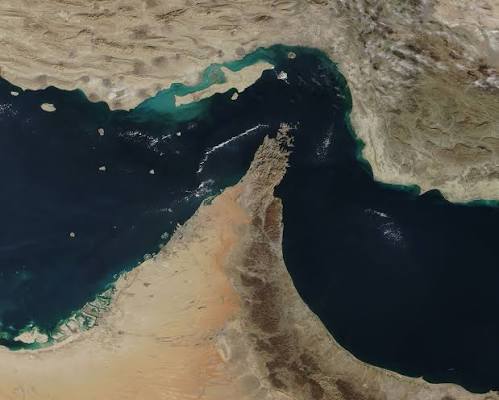
The ongoing disruption of commercial shipping through the Strait of Hormuz continues to place significant pressure on global energy markets, reinforcing the importance of one of the world’s most critical energy corridors. A substantial share of internationally traded crude oil and liquefied natural gas normally passes through the strait, making any interruption to vessel traffic an immediate concern for producers, refiners, and energy consumers around the globe. As shipping activity remains below normal levels, markets are closely watching for signs of either further escalation or a return to stable operations.
The uncertainty surrounding regional supply has contributed to sharp swings in oil and natural gas prices over recent months. Buyers have been forced to seek alternative supply routes and adjust purchasing strategies, while shipping companies continue to navigate higher operating costs, longer transit times, and increased insurance expenses. Although strategic petroleum reserves and increased production from other regions have helped cushion some of the immediate impact, the disruption has highlighted how dependent the global economy remains on reliable maritime energy transportation.
The effects extend well beyond crude oil markets. Liquefied natural gas shipments have also faced challenges, creating tighter supply conditions for countries that rely heavily on imported LNG. Energy-intensive industries, including manufacturing, transportation, and chemicals, are monitoring market conditions closely as fuel costs remain elevated and price volatility continues. Many governments are also reassessing energy security strategies by expanding strategic reserves, diversifying import sources, and accelerating investments in domestic energy production and infrastructure.
While recent reports indicate that some tanker traffic has cautiously resumed, activity remains below historical levels and market confidence has not fully returned. As long as uncertainty persists around one of the world’s most important energy chokepoints, oil and natural gas markets are expected to remain highly sensitive to geopolitical developments. The situation serves as a reminder that global energy markets are deeply interconnected, and disruptions in a single region can quickly influence prices, supply chains, and investment decisions worldwide.